Ku ngagunakeun Screws anti-loosening Geter-tahan pikeun instalasi, digabungkeun jeung preload konstan tina pre-set torsi Ngonci screw jeung damPing elastis tina baud anti loosening, sambungan tetep dipercaya sanajan dina kaayaan Geter parna, achieving hirupna operasi pangropéa-gratis.
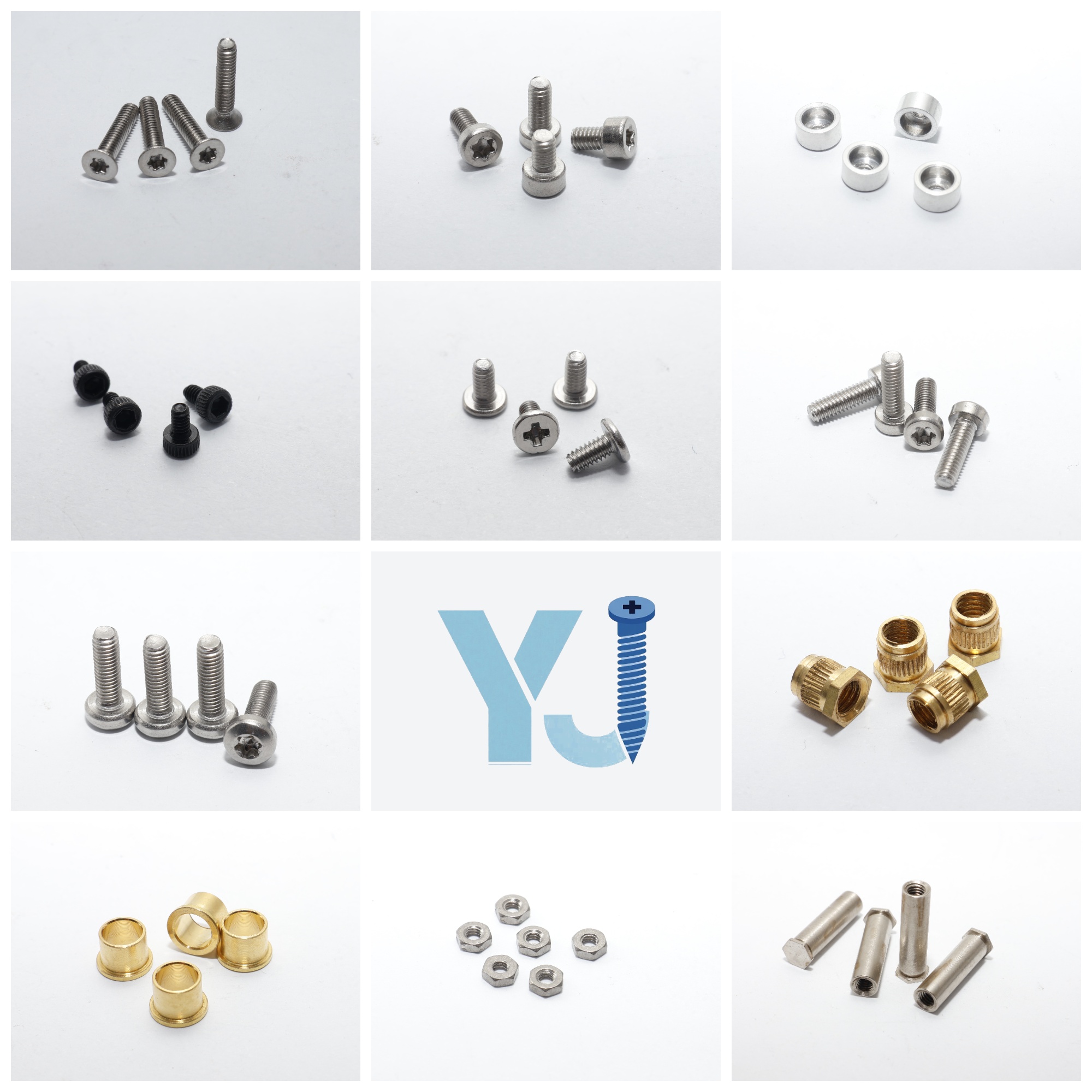
Shanghai Yijun Precision Téhnologi Co., Ltd.
Aplikasi Produk: Éléktronik Precision, Alat Médis, Tampilan LED, Tablet, Robot, Bagian Mékanis, Komunikasi Seluler, Jam Kacamata, Nganggo Cerdas, Instrumentasi, Kandaraan hawa Unmanned, Bagian otomotif
Ngartos pentingna Screws Anti Loosening, urang mimitina kudu ngakuan musuh: Geter. Unggal sapotong mesin puteran-ti turbin angin ka mesin mobil nepi ka baling-baling pesawat-ngahasilkeun konstan, guncangan leutik nu ngarambat ngaliwatan struktur na. Kana waktu, geter ieu bisa ngabalukarkeun screws biasa jalan leupas. Masalahna diperparah ku ékspansi termal sareng kontraksi: salaku bagian panas sareng tiis, dimensina robih, nyiptakeun jurang anu ngamungkinkeun screws ngageser.
Balukar tina screws leupas jauh-ngahontal. Pikeun turbin angin, hiji screw leupas tunggal dina sistem pitch bisa ngakibatkeun jam downtime, costing rébuan dollar dina produksi énergi leungit. Dina aerospace, screws leupas dina mesin bisa ngabalukarkeun suku cadang pareum di tengah hiber, ngarah kana gagalna mesin sarta poténsi musibah. Dina alat médis kawas mesin MRI, screws leupas dina assembly magnét bisa ngaruksak médan magnét, hasilna scan akurat atawa malah karuksakan alat.
Panaliti taun 2021 ku International Council on Machinery Maintenance mendakan yén 30% tina downtime industri anu teu direncanakeun disababkeun ku kagagalan fastener-seuseueurna anu tiasa dicegah ku téknologi anti-loosening. Salaku conto, hiji kajadian taun 2019 di kebon angin di Texas ningali tilu turbin pareum saatos sekrup leupas dina sistem yawna (anu ngahurungkeun nacelle pikeun nyanghareupan angin) nyababkeun sistem macét. Biaya perbaikan éta $ 120.000, tambah $ 50.000 dina panghasilan leungit tina tilu poé downtime. Saatos kajadian éta, tegalan ngagentos sadaya sekrup sistem yaw sareng kacang torsi anti-loosening anu aya - sareng teu aya masalah anu sami ti saprak éta.
Screw anti loosening dirancang pikeun nolak getaran-ngainduksi loosening ku nambahkeun mékanisme konci kana panganteur screw-thread baku. Aya sababaraha jinis, masing-masing disaluyukeun pikeun aplikasi khusus:
1. Screws torsi Prevailing: Ieu tipe nu paling umum, featuring hiji sisipan nilon (kawas leuwih Maria inspected) atawa thread cacad nu nyiptakeun gesekan nalika tightened. Selapkeun nilon nyepeng benang kawin, nyegah screw ti balik ka tukang. Éta tiasa dianggo deui (nepi ka titik-inserts nilon atos saatos 5-10 panggunaan) sareng gampang dipasang.
2. Loker Thread Kimia: Produk kawas Loctite ngagunakeun napel anaérobik nu harden dina henteuna hawa (antara screw na nut threads). Aranjeunna nyiptakeun beungkeut permanén anu tahan geter sareng korosi. loker-kakuatan sedeng bisa dihapus kalawan parabot, bari leuwih-kakuatan tinggi merlukeun panas pikeun megatkeun beungkeut.
3. Ngonci mékanis: Ieu ngawengku pin pamisah (anu ngaliwatan liang dina screw jeung nut), washers konci (beulah atawa toothed), sarta kawat Ngonci (ngagunakeun kawat stainless steel pikeun ngamankeun sababaraha screws babarengan). Ieu sering dianggo dina aplikasi kaamanan tinggi sapertos aerospace, dimana redundansi mangrupikeun konci.
4. Ngonci Struktural: screws ieu geus serrated threads atawa huluna nu ngagali kana beungeut jalangan nalika tightened, nyieun konci permanén. Éta idéal pikeun daérah geter anu luhur tapi henteu tiasa dianggo deui saatos dipasang.
Unggal jenis boga pro jeung kontra. Pikeun turbin angin, screws torsi prevailing leuwih sering dipake tinimbang keur sistem pitch sabab saimbang reliabilitas jeung betah pangropéa. Loker kimiawi dianggo dina kotak gear, dimana aksés terbatas sareng stabilitas jangka panjang penting. Ngonci mékanis (pin pamisah) dipaké dina akar sabeulah, dimana kaamanan non-negotiable.
Anti-loosening screws are not just for industrial machinery—they are everywhere. When you buckle your seatbelt in a car, the screws holding the seatbelt anchor to the frame are anti-loosening. When you use a kitchen blender, the screws in the motor housing are designed to resist vibration. Even your smartphone uses tiny anti-loosening screws to hold its components together, preventing them from shifting during drops or daily use.
In aerospace, anti-loosening screws are a matter of life and death. The Boeing 787 Dreamliner uses over 2 million Fasteners, most of which are anti-loosening. For example, the wing-to-fuselage joints use high-strength structural locking Bolts that are torqued to precise specifications and checked regularly. These bolts must withstand the extreme forces of takeoff and landing, as well as the thermal stress of flying at 35,000 feet.
In medical equipment, anti-loosening screws are critical for patient safety. MRI machines use superconducting magnets that generate intense magnetic fields. The screws holding the magnet coils in place must be absolutely secure—any movement could distort the field, leading to inaccurate scans or even injury to patients. Similarly, surgical tools like Drill Bits use anti-loosening screws to ensure they do not detach during procedures.
While anti-loosening screws reduce the risk of failure, they are not foolproof. Regular maintenance is essential to ensure their effectiveness:
Calibrated Torque Wrenches: Technicians must use calibrated torque wrenches to tighten screws to the manufacturer’s specifications. Over-tightening can damage the locking mechanism, while under-tightening leaves room for vibration to loosen the screw.
Regular Inspections: Screws should be checked at scheduled intervals (e.g., every 6 months for wind turbines). For prevailing torque screws, inspectors should look for signs of nylon wear or thread damage.
Replacement: Nylon-insert screws should be replaced after 5-10 uses, as the insert loses its grip over time. Chemical lockers must be reapplied every time a screw is removed.
Proper Storage: Screws should be stored in dry, temperature-controlled environments to prevent corrosion, which can compromise their locking mechanism.
As technology advances, anti-loosening screws are becoming smarter and more efficient. One promising innovation is smart screws with embedded sensors that detect when they are loosening. These sensors send real-time data to a central monitoring system, allowing technicians to address issues before they become critical. For example, a wind farm could use these sensors to monitor every screw in its turbines, reducing the need for manual inspections and minimizing downtime.
Another innovation is 3D-printed anti-loosening screws. These screws can be custom-designed for specific components, with locking mechanisms tailored to the exact vibration and thermal conditions of the application. This allows for better fit and higher reliability than off-the-shelf screws.
Sustainable materials are also a focus. Manufacturers are developing anti-loosening screws made from recycled steel and aluminum, as well as biodegradable thread lockers that reduce environmental impact. These innovations align with the growing demand for eco-friendly industrial practices.
Anti-loosening screws are the unsung heroes of our industrial world, keeping everything from wind turbines to aircraft to medical equipment running safely and efficiently.

 English
 Español
 Portugues
 Pусский
 Français
 Deutsch
 日本語
 한국어
 العربية
 Italiano
 Nederlands
 Ελληνικά
 Svenska
 Polski
 ไทย
 Türk dili
 हिन्दी
 Indonesia
 Melayu
 Tiếng Việt
 中文
 dansk
 Magyar
 қазақ
 বাংলা
 עִברִית
 čeština
 Soomaali
 မြန်မာ
 فارسی
 українська
 norsk
 Gaeilge
 беларускі
 Română
 ພາສາລາວ
 Filipino
 lietuvių
 Cymraeg
 македонски
 Suomalainen
 slovenský
 o'zbek
 اردو
 հայերեն
 Igbo
 български
 سنڌي
 Shona
 සිංහල
 Hrvatski
 íslenskur
 galego
 català
 Zulu South Africa
 Afrikaans isiXhosa
 ಕನ್ನಡ
 lëtzebuergesch
 basa jawa
 Кыргызча
 тоҷикӣ
 Србија
 Twi
 Hawaii
 Cebu
 नेपाल
 euskara
 frissi
 יידיש
 latvija
 slovenija
 kiswahili
 ਪੰਜਾਬ
 پښتو
 საქართველოს
 hua moni
 bosna
 Kreyòl ayisyen
 Eesti
 Gàidhlig na h-Alba
 Samoa
 Монгол
 Azərbaycan
 አማራ
 Shqipëria
 Malagasy
 Malta
 ខ្មែរ
 Chicheva
 中文(繁体)
 ଓଡିଆ
 Setswana
 Afrikaans
 Aymara
 Башҡорт
 Türkmenler
 ትግሪኛ
 Afaan Oromoo
 অসমীয়া
 Kinyarwanda
 Ilocano
 Wolof
 अवधी
 Oluganda
 Bikol
 Fulɓe
 Kikongo
 Sango
 ދިވެހި
 Lingala
 मैथिली
 Tsonga
 ꯃꯦꯏ ꯊꯥꯏ꯫
 brezhoneg
 Furlan
 नेवा
 རྫོང་ཁ
 Santali
 Аҧсуа
 Нохчийн
 Чӑваш
 Татар
 Batak Karo
 دری
 Diura
 Fengyu
 Eʋegbe
 Iban
 Fiji
 Tonga
 Inuktitut
 Nahuatl
 maaya yucatec
 Runasimi
 guarani
 Qafar
 Acholi
 Dinka
 Luo
 Lundi
 isiNdebele
 Tshivenḓa
 Sesotho sa Leboa
 Sesotho sa Borwa
 Ndumbe
 Papuan Pidgin
 Rromani ćhib
 Thok Nath
 Pilarian



 Telepon